
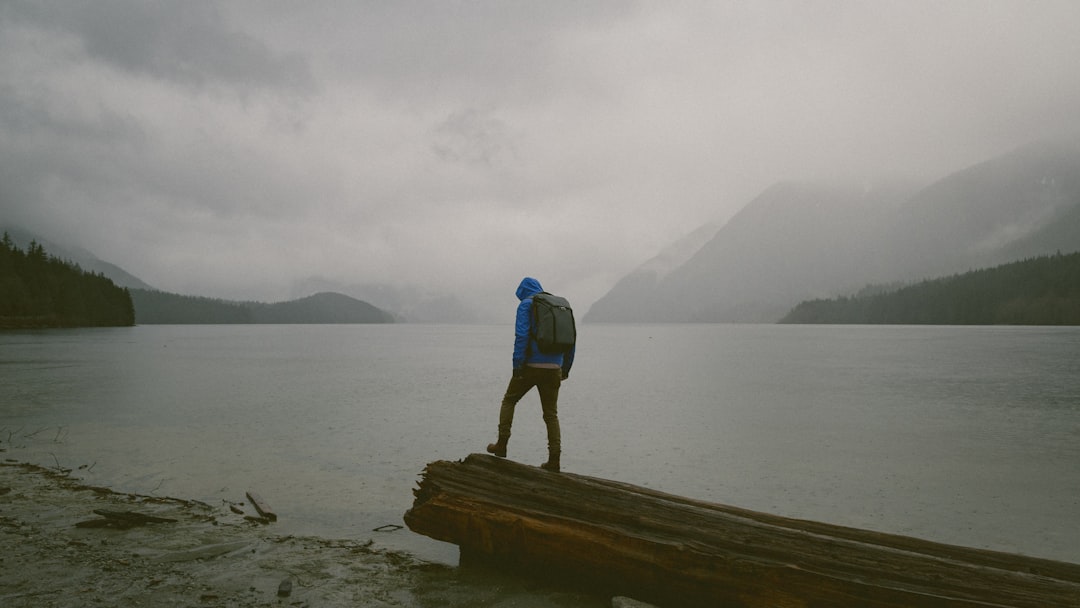
In recent years, the outdoor travel industry has witnessed a significant transformation, driven by changing consumer preferences and a growing awareness of sustainability. As more individuals seek to reconnect with nature, the demand for outdoor experiences has surged, leading to a booming market that is both diverse and dynamic. This article delves into the latest trends in outdoor travel, highlighting budget-friendly options, eco-conscious practices, and the DIY spirit that is reshaping how we explore the great outdoors.
According to a report by the Outdoor Industry Association, the outdoor recreation economy contributed $887 billion to the U.S. economy in 2020, showcasing the immense potential of this sector. Notably, the market for outdoor gear and apparel alone reached $20.5 billion in 2021, reflecting a 5% increase from the previous year. This growth can be attributed to a shift in consumer behavior, with more people prioritizing experiences over material possessions. Key Insight: As outdoor travel continues to gain traction, businesses that cater to budget-conscious and eco-friendly travelers are likely to thrive.
One of the most significant trends in outdoor travel is the rise of budget-friendly options. With the cost of living increasing, many travelers are seeking ways to enjoy nature without breaking the bank. Camping has become a popular choice, with the American Camp Association reporting a 25% increase in camping participation since 2019. This resurgence can be attributed to the accessibility of campgrounds and the affordability of camping gear. Many families are opting for weekend getaways to national parks, where entrance fees are often minimal, and the experience of immersing oneself in nature is priceless.
Moreover, the DIY travel movement is gaining momentum. Travelers are increasingly taking matters into their own hands, planning their own itineraries, and seeking unique experiences that are off the beaten path. This trend is particularly evident among millennials and Gen Z, who prioritize authenticity and personal connection in their travel experiences. Platforms like Airbnb and Hipcamp have made it easier for travelers to find unique accommodations, from treehouses to yurts, often at a fraction of the cost of traditional hotels.
Eco-friendly travel is another crucial aspect of the evolving outdoor travel landscape. As awareness of climate change and environmental degradation grows, travelers are becoming more conscious of their impact on the planet. A survey conducted by Booking.com revealed that 72% of global travelers are more likely to choose eco-friendly accommodations than they were a year ago. This shift is prompting businesses to adopt sustainable practices, such as reducing waste, sourcing local materials, and promoting conservation efforts.
For those looking to travel sustainably, there are numerous options available. Many outdoor brands are now offering eco-friendly gear made from recycled materials, and outdoor retailers are increasingly prioritizing sustainability in their product lines. Additionally, travelers can engage in volunteer opportunities that focus on conservation efforts, such as trail maintenance or wildlife protection, allowing them to give back to the environment while enjoying their outdoor adventures.
In terms of travel trends, the rise of technology has also played a significant role in shaping the outdoor experience. Mobile apps that provide information on hiking trails, weather conditions, and wildlife sightings have become essential tools for outdoor enthusiasts. Furthermore, social media platforms like Instagram and TikTok have created a culture of sharing outdoor experiences, inspiring others to explore new destinations and engage with nature.
As we look to the future of outdoor travel, it is clear that the industry will continue to evolve in response to consumer demands. The focus on budget-friendly, eco-conscious, and DIY travel options will likely remain at the forefront, as travelers seek meaningful experiences that align with their values. Businesses that adapt to these trends and prioritize sustainability will not only attract a loyal customer base but also contribute to the preservation of the natural landscapes we cherish.
In conclusion, the outdoor travel market is thriving, fueled by a desire for adventure, connection, and sustainability. As travelers increasingly prioritize experiences that are both affordable and environmentally friendly, the opportunities for exploration are boundless. Whether it’s camping under the stars, hiking through breathtaking landscapes, or engaging in conservation efforts, the great outdoors offers something for everyone. Embrace the trends, plan your next adventure, and discover the beauty of nature while being mindful of your impact on the planet.